Friday, December 2, 2011
Welcome to Our Archives
Welcome. The Gift of Giving Life has now moved to www.thegiftofgivinglife.com. These are our archives. To read recent posts, look to the right to see the feed from our blog.


Monday, October 24, 2011
My New Blogger Home
As you can see our blog has moved and it has also changed from being a forthcoming book/personal(ish) blog to an official book blog. This is great news for people looking for anything spirituality and birth related. But it felt a little sad to me to be losing that personal part of having my own blog. So I started a new one! It's not birth specific, but I will of course post about birth and parenting and who knows what else. It's called the Progressive Prophetess and if you feel like following or reading me there, please do. Here is a link to my About page which explains why I chose to call it what I did.
Tuesday, October 18, 2011
Our Blog is Moving
We have our official Gift of Giving Life website up and running and we will start blogging there from now on.
Heather already posted her birth story this week!
I will attempt to change the feed, so if you are getting updates in a reader or e-mail, you should continue to do so. If you don't get any updates in the next few days, let us know!!
If you are visiting the blog to find out more about spirituality and birth or our book The Gift of Giving Life, please visit the new blog!
Heather already posted her birth story this week!
I will attempt to change the feed, so if you are getting updates in a reader or e-mail, you should continue to do so. If you don't get any updates in the next few days, let us know!!
If you are visiting the blog to find out more about spirituality and birth or our book The Gift of Giving Life, please visit the new blog!
Friday, October 14, 2011
Giveaway update
We have revised the giveaway we posted yesterday. Now anyone and everyone can enter to win a free copy of The Gift of Giving Life. See this post for details!

What I Want For My Birthday - Marie Osmond
It's my birthday again. Holy Cow! I've had three birthdays on this blog. I can't believe it. This year, for my birthday, (and Christmas) all I want is for someone to give me a warm introduction to Marie Osmond because I'd like her to blurb our book. We have several big names blurbing the book, all from from different fields including birth activists, theologians, writers, and entertainers. But ever since I read Marie's book Behind the Smile: My Journey Through Postpartum Depression, I realized here was a gal who cared about women and the sacredness of the birth process. And she's a well loved Mormon, loved by all faiths. She just needs to know about the book.
So far my only connection with her is that I know her first ex-husband's sister. It's not a connection I really want to use. I tried contacting her manager a few years ago but they said she didn't have time to read a book. Hmph. I don't think they even asked her. Because if she knew it was THIS BOOK, I think she'd be honored. So if you know her, or have a solid connection with her, help me out!
I'm not asking for a face to face introduction. I'm not a crazy fan. I just want a way to get her a copy of the book before it comes out so she can read it and perhaps write an sentence or two about its awesomeness.You could even forward her this blog address or our main web address: www.thegiftofgivinglife.com
Also, as a second birthday wish, I'm still hoping for a Christmas miracle. That is, that we get the book out before Christmas and not Valentines day. A lot depends on our publisher's workload in getting it all edited and laid out in time. As you know, things come up. Things take longer. People's kids get broken legs. People go on maternity leave. But I am ever the optimist. So will you all join me in praying for a Christmas miracle. Thanks!
If you know Marie, email me privately and I'll send you a one page sell sheet to send to her to see if she will consider it. Thanks!
So far my only connection with her is that I know her first ex-husband's sister. It's not a connection I really want to use. I tried contacting her manager a few years ago but they said she didn't have time to read a book. Hmph. I don't think they even asked her. Because if she knew it was THIS BOOK, I think she'd be honored. So if you know her, or have a solid connection with her, help me out!
I'm not asking for a face to face introduction. I'm not a crazy fan. I just want a way to get her a copy of the book before it comes out so she can read it and perhaps write an sentence or two about its awesomeness.You could even forward her this blog address or our main web address: www.thegiftofgivinglife.com
Also, as a second birthday wish, I'm still hoping for a Christmas miracle. That is, that we get the book out before Christmas and not Valentines day. A lot depends on our publisher's workload in getting it all edited and laid out in time. As you know, things come up. Things take longer. People's kids get broken legs. People go on maternity leave. But I am ever the optimist. So will you all join me in praying for a Christmas miracle. Thanks!
If you know Marie, email me privately and I'll send you a one page sell sheet to send to her to see if she will consider it. Thanks!
Thursday, October 13, 2011
We're giving another book away!
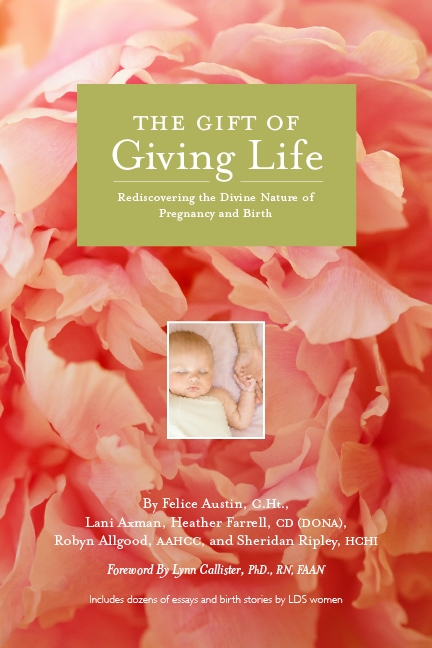
Due to some publishing delays, our release date has been revised again. February 14, 2012. (Though we're still holding out hope for a Christmas miracle!) So tell the one you love that you want our pretty book for Valentine's Day!
But tell your Valentine not to wait until February to order! Ordering now will save 10%, and we're going to give you another incentive to buy your book(s) now...
We've already promised free copies to our previous giveaway winners. But we've decided we're going to give away another copy of our book!
Here's how you can enter to win this free copy...
This giveaway will end at 11:59 p.m. Pacific time on November 3.
Ready to order your book(s) now?
Remember these four good reasons to order The Gift of Giving Life before it comes out:
But tell your Valentine not to wait until February to order! Ordering now will save 10%, and we're going to give you another incentive to buy your book(s) now...
We've already promised free copies to our previous giveaway winners. But we've decided we're going to give away another copy of our book!
Here's how you can enter to win this free copy...
1) You can earn your first entry into the giveaway by sharing a link to our facebook page on your profile, saying something like, "I can't wait to read The Gift of Giving Life [<--- tag our facebook page here]!" We need you to tag our page so that we can verify that you completed this part of the entry.
3) You can earn an additional entry into the giveaway by posting our book button on the sidebar of your blog. See it on our sidebar? Just copy and paste the code below it and embed it on your blog.
4) You earn another additional entry into the contest if you purchase a copy of the book! If you have already purchased a book (or multiple copies) that's fantastic and you can enter too! You earn one entry for each book you have ordered.
5) Then come back to this post and make a comment for each entry you have earned, explaining what you did. If you put our button on your blog, share the link so we can verify.So, if you share/tag our facebook page on your profile and order one book, that's TWO entries. If you share/tag our facebook page on your profile, post our button on your blog, and order one book, that's THREE entries. And, for each additional book you purchase, you earn another entry! Don't forget to tag The Gift of Giving Life when you post on facebook so we can verify your entry!
This giveaway will end at 11:59 p.m. Pacific time on November 3.
Ready to order your book(s) now?
Reg: $16.95 Pre-Sale: $15.26
Remember these four good reasons to order The Gift of Giving Life before it comes out:
1. Be the first of our friends to get one when they ship.
2. Get 10% off.Thanks for helping us spread the word! We can't wait to send you all this book we have loving labored into life. She'll be worth the wait!
3. Help us reach our pre-sales goals and generate impressive pre-sales numbers. This will help us get wider distribution and get "in" with certain venues that might have been skeptical. $ talks, right?
4. And did we mention that all money from sales of the book goes right back into publicizing and sharing the joy of our book?
Monday, October 3, 2011
Standing in Our Places

Last week, I read the great story of Gideon in Judges 7, and it reminded me of us. Us meaning me and you who are reading this blog. In a nutshell, Gideon is going to battle the Midianites and has gathered an army of 32,000. But the Lord tells Gideon to send some of the men home. Gideon is then left with 10,000 men. God leads him through another selection process until his army is reduced to 300 men.
300 men is not a lot against the host of Midianites which were "like grasshopper" covering the valley. And yet, God said, "by the 300... will I save you, and deliver the Midianites unto thine hand." (Judges 7:7)
And He did it. How? God had arranged some things in advance to spook the Midianites and then all the men had to do was follow His instructions. "And they stood every man in his place..." (Judges 7:21)
I realize that our numbers are small compared to the dominant cultural views about birth in America. I also realize that many passionate people have been fighting for change in the maternity care system in America for a long time, with only a little progress. However, as seen in Judges 7, a very small number of people, "standing in our places," and guided by God, can change everything:
"And they stood every man in his place round about the camp: and all the host ran, and cried, and fled." (Judges 7:21)
Subscribe to:
Posts (Atom)
LinkWithin
